
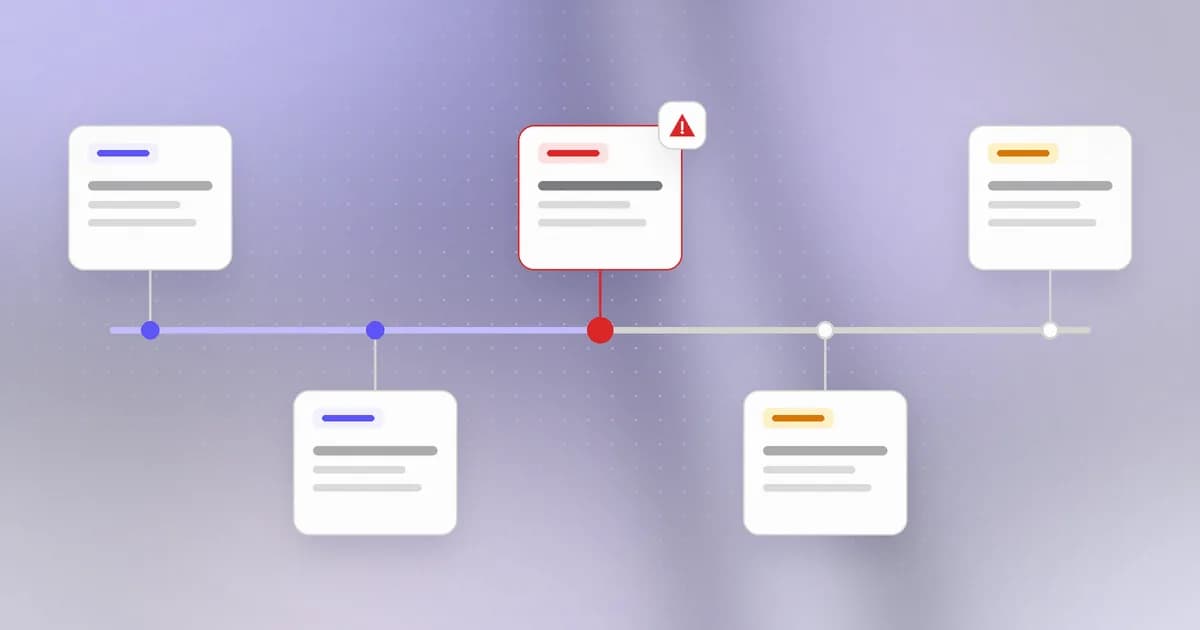
On November 24, 2026, multiple outlets reported that the CIA and the Office of the Director of National Intelligence discovered an intrusion on unclassified networks used to analyze open-source intelligence—and that people familiar with the matter said classified systems were not affected. The Washington Post describes a rare breach touching U.S. intelligence agencies’ unclassified but sensitive estate. GovInfoSecurity quotes a source confirming some unclassified data was exposed and calling the situation resolved, while adding that the intruder apparently used the open-source Artex artificial-intelligence framework—the same agentic offensive tooling Google, Wiz, and the UK NCSC have been warning developer platforms about since September.
If you run coding agents, this is not a prompt to unplug Claude Code on your laptop. It is a calibration moment: the harness families your red team might trial in a lab are showing up in government incident reporting, not only in SaaS breach bulletins.
| Question | Short answer |
|---|---|
| Am I affected? | Not as a CIA analyst unless you work those networks; yes indirectly if you host exposed ARTEX-style consoles or CI secrets those tools can reach |
| Is there a CVE or patch? | No software CVE for this access incident; patch misconfigurations, credentials, and internet-exposed panels |
| Was ARTEX confirmed? | Reported by sources to journalists; not named in a public CIA statement we could find |
| Does data leave my machine? | This breach is about government OSINT systems; Beam stays local-first on your workstation and is unrelated to the intrusion |
Claimed vs verified
| Claim | Source | Status |
|---|---|---|
| Unclassified OSINT analysis systems at CIA and ODNI were intruded upon | Washington Post, GovInfoSecurity | Reported by people familiar with the matter; agencies have not published matching technical detail |
| Some unclassified data was exposed | GovInfoSecurity source quote | Reported; scope and data classes not itemized publicly |
| Classified systems were not impacted | GovInfoSecurity, The Verge | Reported consistently; not independently audited in public |
| Incident is resolved | GovInfoSecurity source | Reported; no public remediation memo |
| Attackers used open-source Artex framework | GovInfoSecurity source, citing New York Times reporting chain | Reported; no agency IOC package or court filing published under our review |
| China may be responsible | ISMG, citing a NYT reporter social post | Unconfirmed attribution |
| NGA also affected | Tech news aggregators relaying NYT | Not corroborated in the ISMG and WashPost pieces we fetched |
| FBI National Crime Information Center breached the same week | Fox News and CNN references in ISMG | Separate reported incident; connection to CIA case unclear |
We did not inspect government systems. Everything in the verified column is journalism with named sourcing tiers, not a vendor bulletin.
What the intrusion was for (mechanism, not politics)
Open-source intelligence (OSINT) is not “stuff that is already on Twitter.” Intelligence practitioners blend public web content, news, social postings, and commercial datasets—phone location feeds, satellite imagery, purchased broker data—that are lawfully bought or scraped but still sensitive when analyst queries and prioritization leak.
GovInfoSecurity summarizes the incident as affecting a system that analyzes non-secret open-source material for the U.S. intelligence community. That architecture must stay reachable from the public internet (or commercial data APIs) to ingest feeds, which is why Huntress’s Ben Bernstein told the outlet these networks are hard to secure:
The value is seeing what the CIA and ODNI are doing with it. If you can see what analysts are searching for and what topics they’re tracking, you get a solid look at U.S. intelligence priorities and blind spots without ever touching a classified file.
For defenders, the attack chain implied by reporting is therefore:
- Initial access on an unclassified OSINT analysis path (vector not publicly disclosed as of November 25, 2026 UTC).
- Collection of unclassified material and likely metadata about analyst activity (exact fields not listed in public reporting).
- Containment described as resolved by a person familiar with the situation—without published IOCs.
- Parallel reporting that the operator stack may have included Artex, an LLM-orchestrated offensive framework already documented against private-sector victims.
The same week brought other federal cyber headlines—including reporting on an FBI NCIC intrusion and USDA application downtime that ISMG lists as context. Treat them as potentially separate events unless a single agency fuses them in writing.
Where ARTEX fits (and what we know from prior research)
ARTEX in security reporting refers to an open-source agentic offensive framework, not a consumer product. Google Threat Intelligence Group and Mandiant document ARTEX and peer harnesses as multi-agent, LLM-driven platforms that plan steps, invoke tools, and retain attack graphs—behavior Beam summarized in five defense layers for agentic offensive frameworks.
Independent research since October 2026 shows ARTEX-labeled activity is not one monolithic actor:
- Wiz ARTEX-Harvester (November 23) separates opportunistic campaigns from hundreds of public forks and documents CI workload-identity abuse plus leaked operator consoles.
- NVISO’s ZQAgent analysis (November 24) shows ARTEX-linked intrusions can leave Linux persistence, not only credential theft.
- The UK NCSC note on agentic offensive frameworks warns that old vulns are exploited faster once planners automate reconnaissance.
The CIA headline does not publish console logs or hashes tying this specific intrusion to a named ARTEX fork. The mechanistic link is: sources told reporters the framework appeared in this case, aligning with industry telemetry that agentic harnesses graduated from labs to intrusions.
If you are searching “ARTEX ai attack” because of ceiling-tile SEO noise, the security-relevant entity is this Go-based offensive agent stack—see Google’s primary write-up, not home-improvement forums.
What this means if you run AI coding agents
Government victims change risk language, not your CLI version pin. Concrete actions for teams running Claude Code, Codex, Cursor, or self-hosted harnesses:
1. Assume agentic frameworks are dual-use production malware
Red teams are not the only operators. When WorkOS’s CEO attributed an October incident to ARTEX-class tooling, the bulletin itself stayed tool-agnostic. The CIA reporting repeats the pattern: journalists learn a framework name from sources before agencies publish technical exhibits. Your security model should not wait for a CVE.
2. Hunt exposed consoles and “lab” hosts on production networks
Wiz cites Censys counting 1,400+ internet-exposed ARTEX consoles in early November, often on default credentials, leaking planner prompts and transcripts. Any engineer who stood up ARTEX, PentAGI, or HexStrike on a public IP for a demo should treat it like a root shell with chat UI. Our Cisco Talos roundup on ARTEX, PentAGI, and HexStrike MCP abuse lists shared fingerprints worth scanning for.
3. Protect CI and cloud keys agents can read
ARTEX-Harvester cases emphasized cloud metadata, GitHub Actions, and AI provider keys stored beside automation. Run gcloud/aws access-key rotations on repos your agents touch, and enforce short-lived OIDC instead of long-lived tokens in CI—see the hunting section in the Wiz post linked above.
4. Do not confuse “unclassified” with “harmless”
The CIA story is a reminder that metadata about what defenders query is intelligence. On your side, agent transcripts, MCP tool logs, and Beam collector NDJSON can reveal what secrets an attacker should steal next. Lock down local evidence directories (0700/0600 per Beam docs) and redact before sharing incident exports.
5. Layer human approvals where agents touch identity systems
ARTEX playbooks observed by Wiz include OAuth consent abuse and mass password reset against SaaS identity products. If your coding agent has admin tokens to Okta, WorkOS, or Entra, require human approval on user lifecycle tools regardless of vendor marketing about “autonomous IT.”
What Beam can and cannot do here
Beam is local-first security and observability for coding agents on your machine: PreToolUse hook denies for Claude Code and Codex when workspace policy is cached, heuristic skill and MCP scans (eleven patterns plus MCP version-pin check), and redaction before persistence. It does not monitor CIA networks, block nation-state intrusions, or attribute ARTEX forks. It is not a kernel sandbox; missing cached policy fails open.
Where Beam still helps after this headline:
- Catch dangerous agent commands (
curl | bash, recursiverm, credential dumps) while your team reviews whether any engineer hosted offensive-agent UIs on reachable hosts. - Flag risky skills that pull down unknown offensive frameworks into a repo your CI agent later executes.
- Preserve an on-device audit trail when you rehearse detection content for ARTEX-style tool sprawl without shipping prompts to a cloud SIEM by default.
For enterprise identity and cloud hunting, pair Beam with cloud IR, Wiz/Google IOC repos, and network detections—not instead of them.
Incident timeline (public reporting only)
| When (UTC context) | What was reported |
|---|---|
| November 24, 2026 | Washington Post publishes that CIA and ODNI discovered an apparent cyber hack on unclassified sensitive networks |
| November 24, 2026 | GovInfoSecurity confirms intrusion details, resolved status, and Artex framework mention via sourcing chain to NYT |
| November 24, 2026 | The Verge and other outlets summarize no classified compromise per sources |
| Same week (context) | ISMG lists FBI NCIC and USDA cyber incidents as part of a dense federal news cycle—linkage unconfirmed |
Add this row to your internal threat review; the November 2026 attacks timeline tracks parallel agentic incidents when entries sync from the tracker job.
Frequently asked questions
The FAQ in the front matter mirrors the questions above: whether the CIA was hacked, whether ARTEX was used, what ARTEX means here, why OSINT matters, classified impact, attribution, personal Claude Code risk, and developer actions.
Related reading
- ARTEX ZQAgent Linux backdoor (November 24) — persistence after agentic intrusions
- Wiz ARTEX-Harvester agentic attacks update — CI keys and exposed consoles
- UK NCSC on agentic offensive frameworks — faster exploitation of old flaws
- Google and Mandiant: five defense layers
- Unit 42 agentic AI attack trends (November)
- What is AI agent monitoring — what local evidence collection can and cannot prove
Primary sources: Washington Post, GovInfoSecurity / ISMG, Google Threat Intelligence on ARTEX, The Verge summary.
Technical details, attribution, and scope statements are accurate as of November 25, 2026 UTC based on public reporting. We will update this post if U.S. intelligence agencies publish official statements or indicators.