
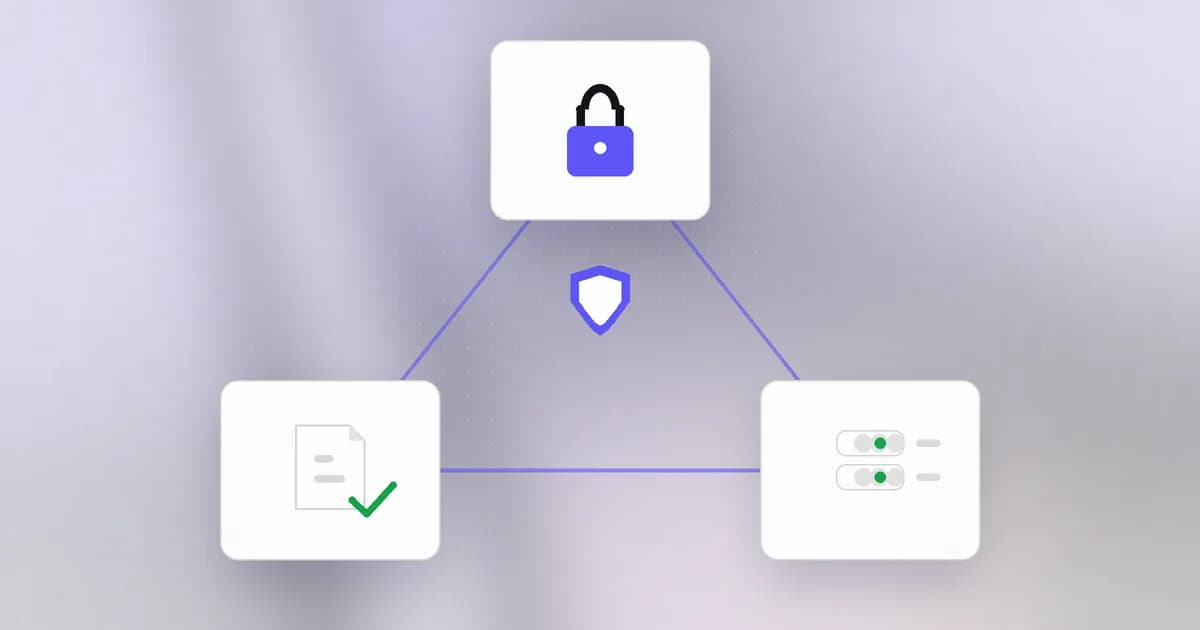
You have learned what a computer does and how to read what it logs. Now we start thinking like a defender. The first tool is a way of sorting problems: when something goes wrong, which of three things was lost?
The three goals
means only the people and programs that should see information can see it. A password hidden from strangers is confidentiality. When it breaks, we call it a leak or a data breach.
means information and systems are correct and have not been changed by anyone who should not have changed them. A bank balance that only changes through real transactions has integrity. When it breaks, you get tampering: altered records, swapped files, a quietly modified program.
means the thing works when someone needs it. A website that loads and a database that answers have availability. When it breaks, you get an outage, whether caused by an attack, a failure or a mistake.
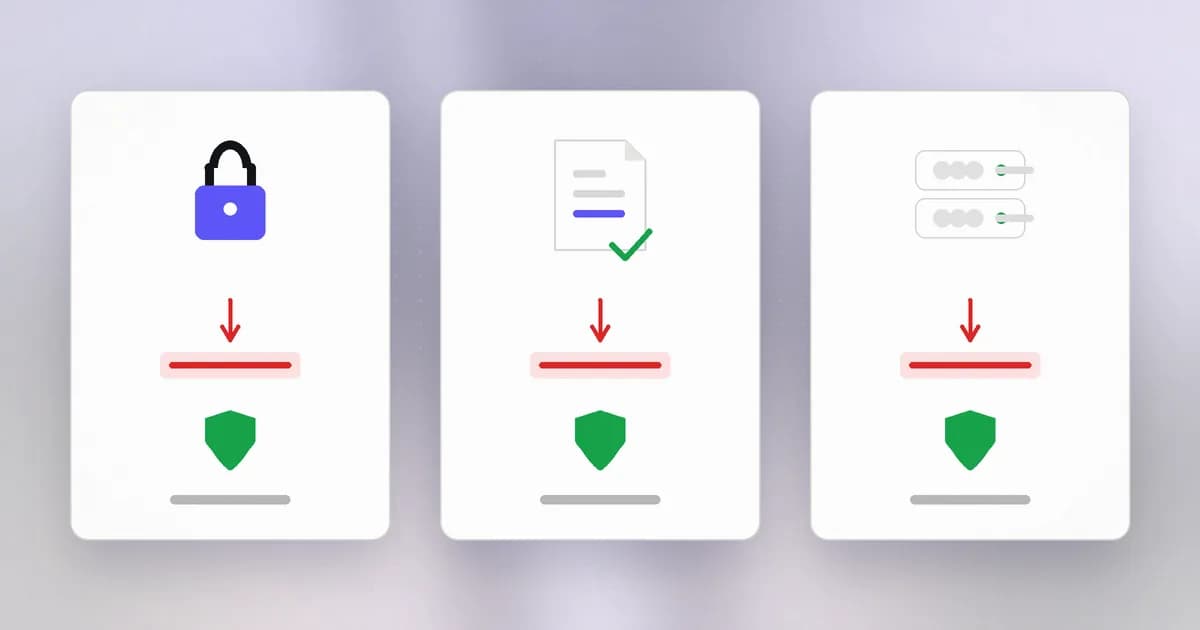
Together these are called the . Every control you will meet in this course, from passwords to backups, exists to protect at least one of the three.
Sorting real situations
The skill is to read a scenario and say which goal it breaks. Try these (all illustrative):
| Situation | Goal broken |
|---|---|
| A spreadsheet of customer emails is posted publicly | Confidentiality |
| Someone edits an invoice to change the bank account number | Integrity |
| A shop's checkout page is down for six hours | Availability |
| Files are encrypted by ransomware and a payment is demanded | Availability (you cannot use them), and often confidentiality too if the data was copied first |
| A software update is replaced by a modified copy | Integrity |
Notice the ransomware row. One incident can hit more than one goal. The triad is a checklist of questions, not a set of boxes where each event fits exactly once.
A support agent accidentally deletes a customer's order history. Which goal is that?
Availability, because the data is no longer there to use, and arguably integrity, because the record is now incomplete. No attacker is needed. Mistakes break the triad as often as attacks do.
Who guards each goal
Different tools protect different goals, and it helps to know which is which:
- Confidentiality: passwords, encryption (scrambling data so only holders of a key can read it), and file permissions from the earlier lesson.
- Integrity: (a short fingerprint of a file that changes if the file changes), digital signatures, version history, and permissions that stop people writing where they should only read.
- Availability: backups, spare capacity, redundant servers, and rate limits that stop one user flooding a service.
You already know one of these. The w in a permission string is mostly an integrity control, and the r is mostly a confidentiality control.
The goals pull against each other
Strengthening one goal can weaken another, and good defenders know it:
- Locking a system down hard (confidentiality) can make it hard to reach in an emergency (availability).
- Keeping many copies of data (availability) gives attackers more places to steal it (confidentiality).
- Checking every action before allowing it (integrity) slows people down, and slow tools get bypassed.
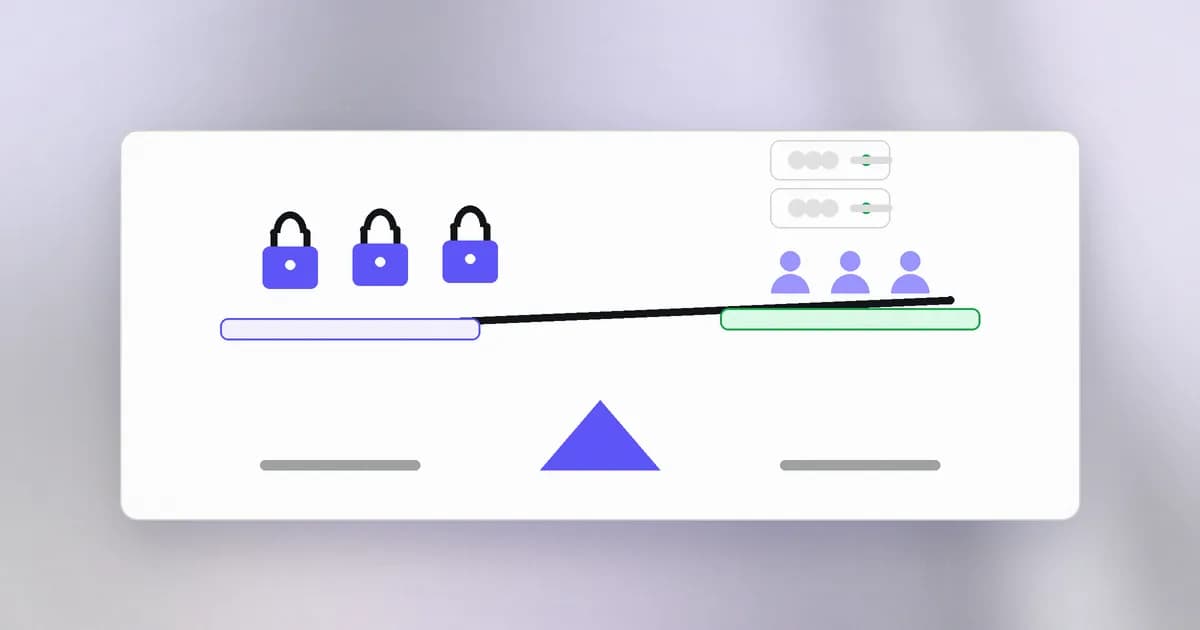
So there is no "maximum security". There is a decision: for this particular asset, which goal matters most and what are we willing to trade? A hospital chart system and a private journal app make opposite choices, and both can be right.
A worked example
Imagine a small clinic with an appointment website that stores patient names and phone numbers.
- Confidentiality matters a great deal: names tied to a clinic are sensitive. Controls: limit who can open the patient list, never put it in a public folder.
- Integrity matters: a changed phone number or a deleted booking means a missed appointment. Controls: only staff can edit, and edits are logged (you practised reading logs last time).
- Availability matters on the day: if the site is down, front-desk staff cannot see who is arriving. Controls: nightly backup, and a printed list as a fallback.
Writing three short sentences like these for anything you protect is the beginning of a threat model, which is the next lesson.
How AI changes this
AI does not add a fourth goal. It changes how each of the three gets broken, and who is doing the breaking.
Confidentiality. An AI agent that works for you reads files, terminal output and web pages as input, and it runs with your permissions. If it is tricked by text in a document it reads (this is called ), it may send what it can read to someone else, which is . The leak does not need a bug in your software; the agent is working as designed, for the wrong instructor.
Integrity. An agent writes files and runs commands, so it can alter things quickly and at scale, including by honest mistake. A confident wrong edit or a is an integrity and availability failure with no attacker at all. Also, you can no longer assume that code in your project was written by a person who understood it; code review matters more.
Availability. Agents can burn through paid API usage fast, which can take a service offline or run up a bill (see ). Attackers also use AI to automate floods and scans, so availability attacks cost them less than before.
What is the same: the triad still sorts every one of these. What is new is that the actor is software with your credentials, acting at machine speed, and that its input is untrusted text.
On the defender side, AI is useful for triage, such as reading a pile of logs and flagging the lines that look like a leak or a deletion. Treat its output as a lead to verify, not a verdict.
Try it
This lab protects integrity on your own machine, using only files you create.
mkdir ~/cia-lab && cd ~/cia-lab
echo "pay 100 to account 1234" > invoice.txt
shasum -a 256 invoice.txt > invoice.sha256
cat invoice.sha256
On Linux use sha256sum instead of shasum -a 256. The long string is the file's fingerprint. Now check it, then tamper with the file and check again:
shasum -a 256 -c invoice.sha256
echo "pay 100 to account 9999" > invoice.txt
shasum -a 256 -c invoice.sha256
The first check says OK. The second says FAILED. You changed one number and the fingerprint noticed. Clean up with cd ~ && rm -r ~/cia-lab.
Check yourself
Name the goal each control mainly protects: a nightly backup, a file set to chmod 600, a checksum published next to a download.
Backup: availability. chmod 600: confidentiality (and integrity, since others cannot write). Published checksum: integrity, so you can tell whether the download was altered.
Why can a single incident break more than one goal?
Because the same event can affect secrecy, correctness and usability at once. Ransomware that copies data before encrypting it makes the data unavailable to you and exposes it to the attacker.
An AI coding agent runs a command that deletes a project folder on the user's laptop. No attacker was involved. Which goals broke, and does it count as a security problem?
Availability and integrity. Yes, it counts: security covers losses from mistakes and misbehaving tools, not only from attackers. It is also a reason to give agents narrow permissions.
Next
You can now name what is being lost. Next we ask the question that comes before it: who would attack this, why, and how. That is a threat model.